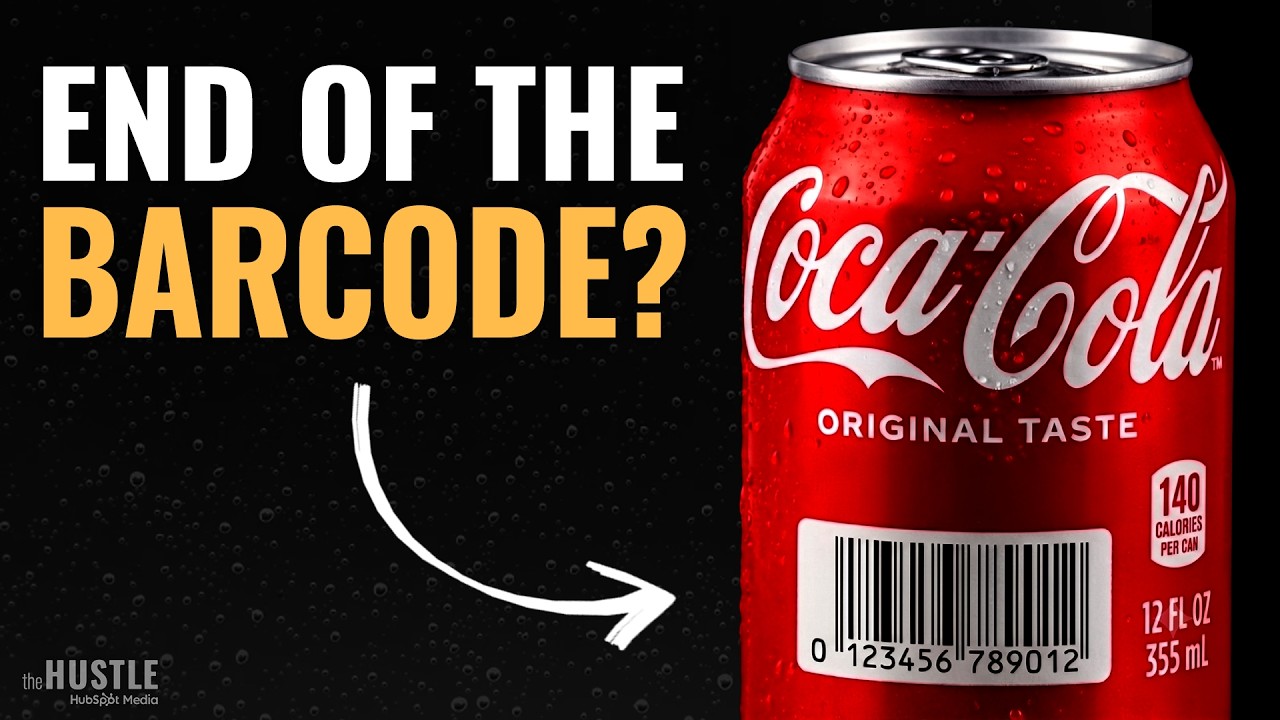
That little striped rectangle on every product you've ever bought has stayed almost identical for 50 years. It's about to change — and the reason goes a lot deeper than a barcode upgrade.
What Is Sunrise 2027?
GS1 — a membership-based nonprofit that sets barcode standards for retailers worldwide — has issued a directive called Sunrise 2027. By the end of that year, every major retailer's point-of-sale system is expected to be able to scan 2D barcodes. That means QR-code-style formats, not the traditional 1D striped UPC you've seen your whole life.
The deadline isn't a suggestion. Walmart, Target, and Costco all verify products against the GS1 database. If a brand's product can't be scanned correctly, it doesn't get on the shelf.
Why the Old Barcode Isn't Cutting It Anymore
The 1D barcode is good at one thing: identifying a product type. Scan a pack of gum and the register knows it's gum — and what it costs. But it can't tell you which specific pack you're holding, where it was grown, or whether it's part of an active recall.
That limitation became a real problem after a string of high-profile food safety incidents. A 2021 salmonella outbreak traced back to contaminated onions sickened over 1,000 people across 39 states. Tracking the source required a lengthy investigation across restaurants, a distributor, and farms in two countries. A 2D barcode — which can encode a product's origin, batch number, and full supply chain history — could have cut that timeline dramatically.
The FDA formalized this urgency with its Food Safety Modernization Act traceability rule, requiring detailed record-keeping across the food supply chain.
What a 2D Barcode Actually Contains
Think of a 2D barcode as a 1D barcode with memory. In a single scan, it can return a product's manufacturer, serial number, expiration date, origin, and a web link — all at once. For retailers, that means accurate inventory. For regulators, it means faster recalls. For brands, it opens a direct digital channel to the consumer after purchase.
That last part is where it gets complicated. The barcode is now essentially a URL, and URLs need somewhere to point. Brands are on the hook to build or buy the infrastructure behind it — a hosted product page that works in every market where the item is sold. Services to manage this are already popping up, ranging from around $15/month for small catalogs to enterprise plans running $3,000+ a year.
The Transition Is Messier Than It Sounds
Here's the catch: most retail checkout lanes don't yet have camera-based scanners capable of reading 2D codes. Old scanners use a single laser — fine for a stripe, useless for a grid. Until hardware upgrades are complete, products have to carry both barcodes.
GS1's guidelines say the new code must sit within 50mm of the existing one. On a cereal box, no problem. On a lip balm tube or blister pack, that 50mm can be your entire label. Package designers are already reworking layouts 12–18 months out to accommodate both codes without gutting their branding.
What This Means for Buyers
If you're a consumer, you won't notice much at checkout — scanners will handle it quietly. What changes is what happens after the scan: better food traceability, faster recalls, and potentially richer product info if you scan the code yourself. You'll also start seeing these 2D codes show up more consistently across packaging as the 2027 deadline approaches.
For anyone selling a physical product — even a small indie card game or Etsy item targeting retail shelves — the compliance clock is already running. The time to sort out your barcode strategy, packaging redesign, and backend infrastructure is now, not late 2027.
This article was created with AI help. If you want to watch the original video, please visit the link below.